Transparent LED Display
Transparent LEDDisplay Solutions
Five display technologies for facades, stages and storefronts, engineered for projects across Europe and North America.
Five display formats
- Series
- 6
- Models
- 38
- Reference studies
- 16
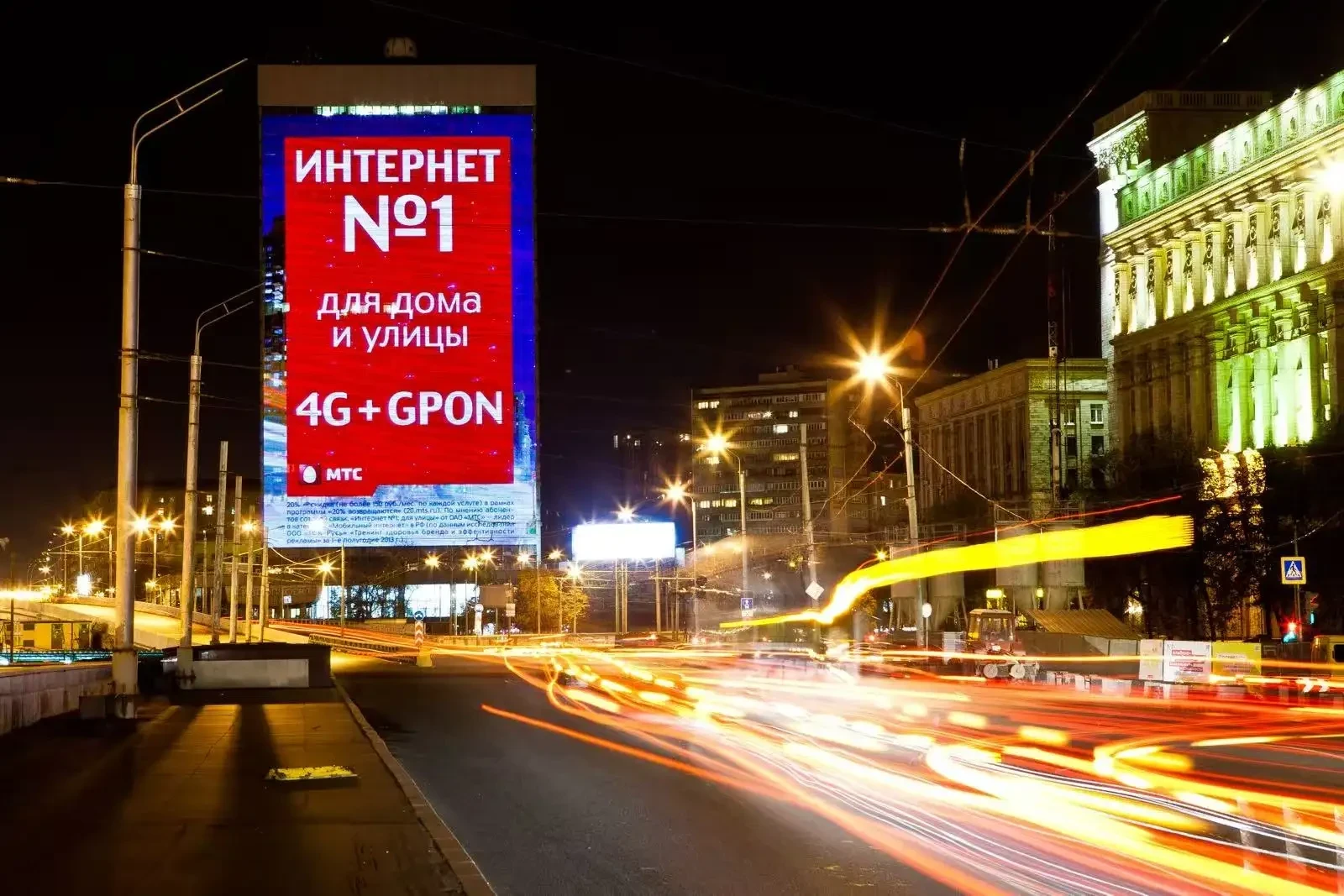
Street-level LED advertising screen at night
Product lines
Five technologies. One engineering partner.
Each format solves a different site condition. Start with the glass, the viewing distance and the way the space is used.


From the first drawing to the spare part
The same engineering record follows the site survey, the cabinet layout and the batch that ships, so a later service question can be answered from the build that was installed.
Brightness with control
Peak brightness matched to the site, with dimming planned for day and night operation.
Structure that fits
Fixing, load and service access resolved with the facade or joinery detail, not after it.
Content and control
Playback and scheduling specified alongside the screen so the operator can run it.
Delivery support
Spares, documentation and remote guidance for projects outside our region.
Built for facades, stages and storefronts
Choose the application and we will narrow the product, pitch and mounting approach before the first drawing.
DOOH
DOOH & Advertising
Street-level and venue media surfaces that carry advertising without turning the building into a solid billboard.

Retail
Retail & Storefront
Window and in-store displays that add motion at street level while keeping the shop interior visible.
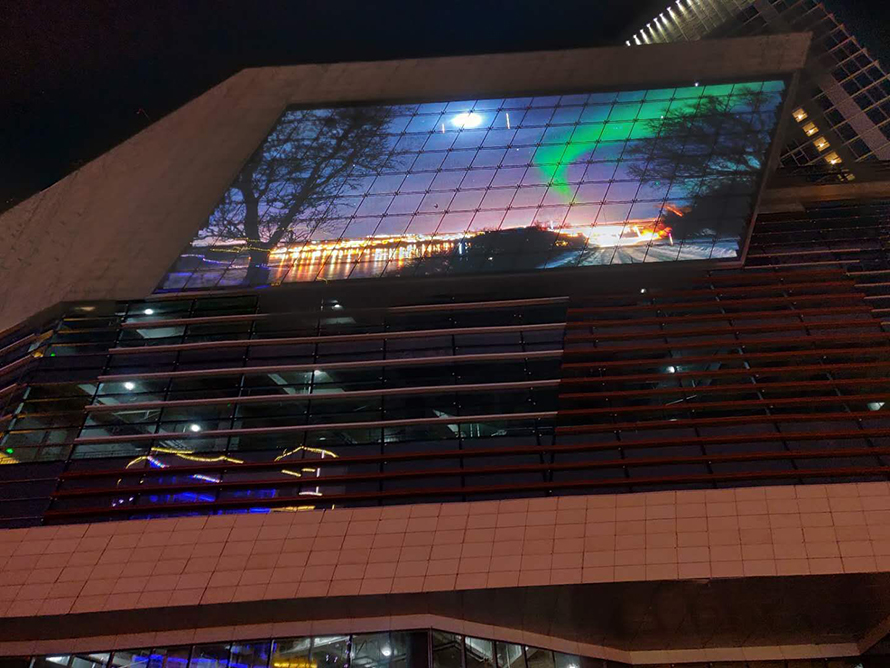
Facade
Architecture & Glass Facade
Facade media that follows the building line and keeps the glazing readable behind the screen.
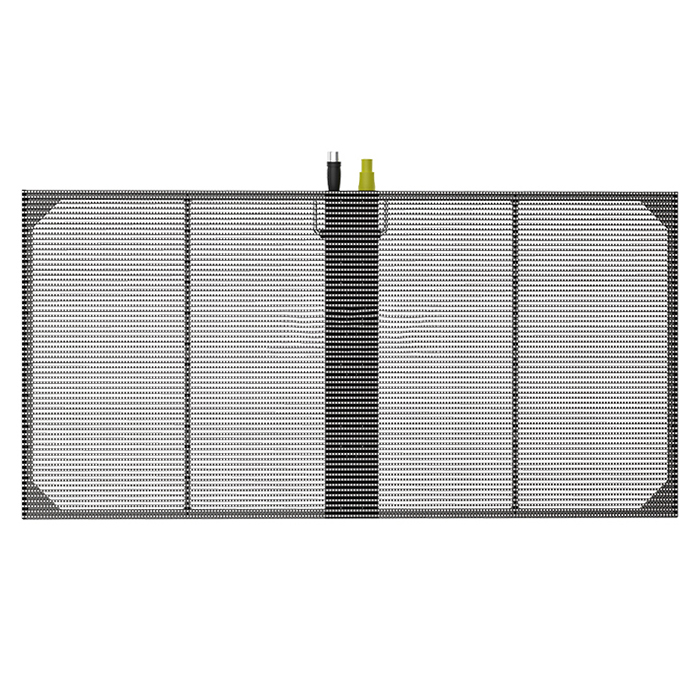
Stage
Stage & Live Events
Rigged screens for touring shows, venues and events that need fast load-in and repeatable setup.

Exhibition
Exhibition & Showroom
Near-invisible displays for showrooms, launches and exhibition stands where the product should lead.
Selected project studies
Cultural, flagship retail, skyline and stage work, presented as reference studies rather than named client projects.

 Curtain
Retail & StorefrontFlagship store atrium, suspended curtainReference project
Flagship atrium light curtain
A suspended LED curtain that adds a slow field of light above a flagship atrium while keeping the skylight and store circulation visible.
Read study Mesh
DOOH & AdvertisingOffice tower crown, city skylineReference project
Tower crown media skin
A mesh media skin around a tower crown, designed to read from the skyline while keeping the plant floors ventilated and the structure light.
Read study Curtain
Stage & Live EventsOpera stage, repertory productionReference project
Opera curtain scenography
A lightweight LED curtain used as a transparent scenographic layer, letting singers and set changes remain visible while the stage carries a shifting light field.
Read study Curtain
Stage & Live EventsOutdoor festival main stage, night programmeReference project
Festival main-stage curtain
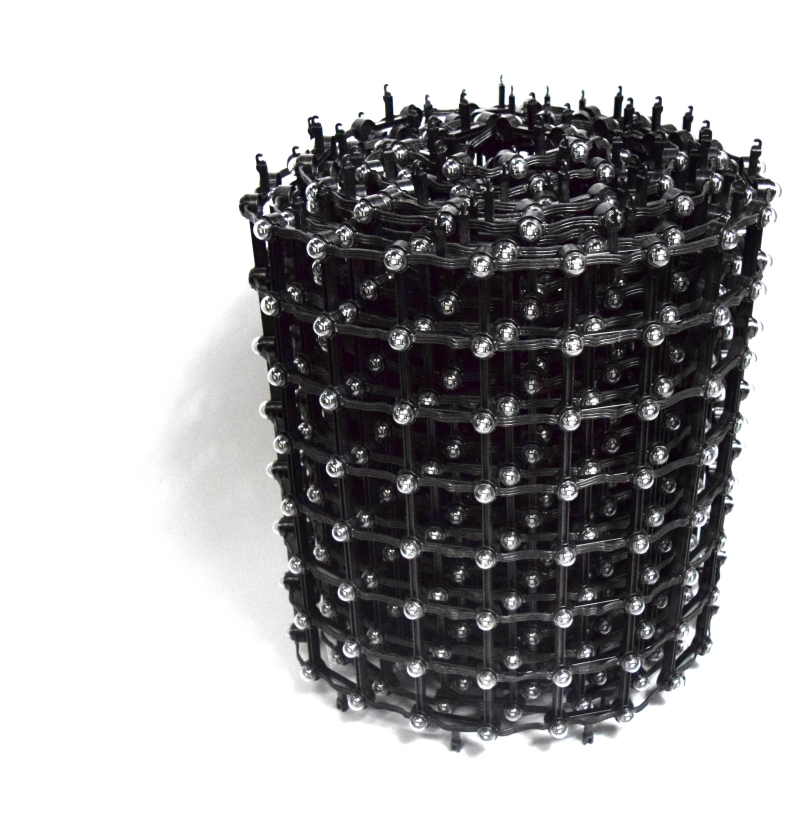
A high LED curtain around a festival main-stage frame, rolled in by strip and rigged around the artist entrance.
Read study
Manufacturing
Built on our own production line
Assembly, calibration and testing stay in one facility, which keeps the specification, the batch and the spares under one record.
Incoming component checks
LEDs, driver ICs and power units are checked against the batch record before assembly.
Module assembly and calibration
Modules are built, calibrated and matched for brightness and colour consistency.
Aging test before dispatch
Assembled panels run through an aging cycle to catch early failures before packing.
Final inspection and packing
Cabinet finish, connectors and accessories are checked against the project list.
Verification
What you can check before the order
A transparent screen is an optical, structural and electronic decision at the same time. The points below show what can be reviewed with the sample, the drawings and the batch record rather than taken on trust.
Request the verification packSample measurement
A sample module can be measured against the agreed pitch, transparency and brightness before the batch is released.
Batch test record
Aging and outgoing inspection records are matched to the serial numbers that ship with the project.
Interface drawings
Fixing, power and signal routes are issued for approval before production starts.
Locked datasheet
The final datasheet follows the confirmed bill of materials. Catalogue values stay typical until then.
Catalogue values are typical. The project datasheet, test record and drawings are the controlling documents for the confirmed configuration.
Engineering notes
Selection guidance, installation considerations and site lessons from our engineering team.
White paper
Transparent LED display: an engineering guide
A structured look at the five transparent formats, the trade-offs between transparency and brightness, and the site questions that decide the specification.
Tell us about your project
Send the site conditions, viewing distance and target date. We will come back with a product match and the information needed for the next decision.
Mon to Fri, 09:00 to 18:00 (GMT+8)